Essential Plumbing Services: How to Select the Right Plumbing Professional for Your Home
Selecting the right plumber for a house can be a challenging task. Homeowners must navigate various factors, including qualifications, experience, and budget. Many overlook essential steps, which can trigger costly mistakes. Understanding common plumbing issues and knowing what to spot in a plumbing professional is paramount. What are the key attributes that truly make a plumbing expert reliable? Delving into these features can greatly influence long-term maintenance and satisfaction.
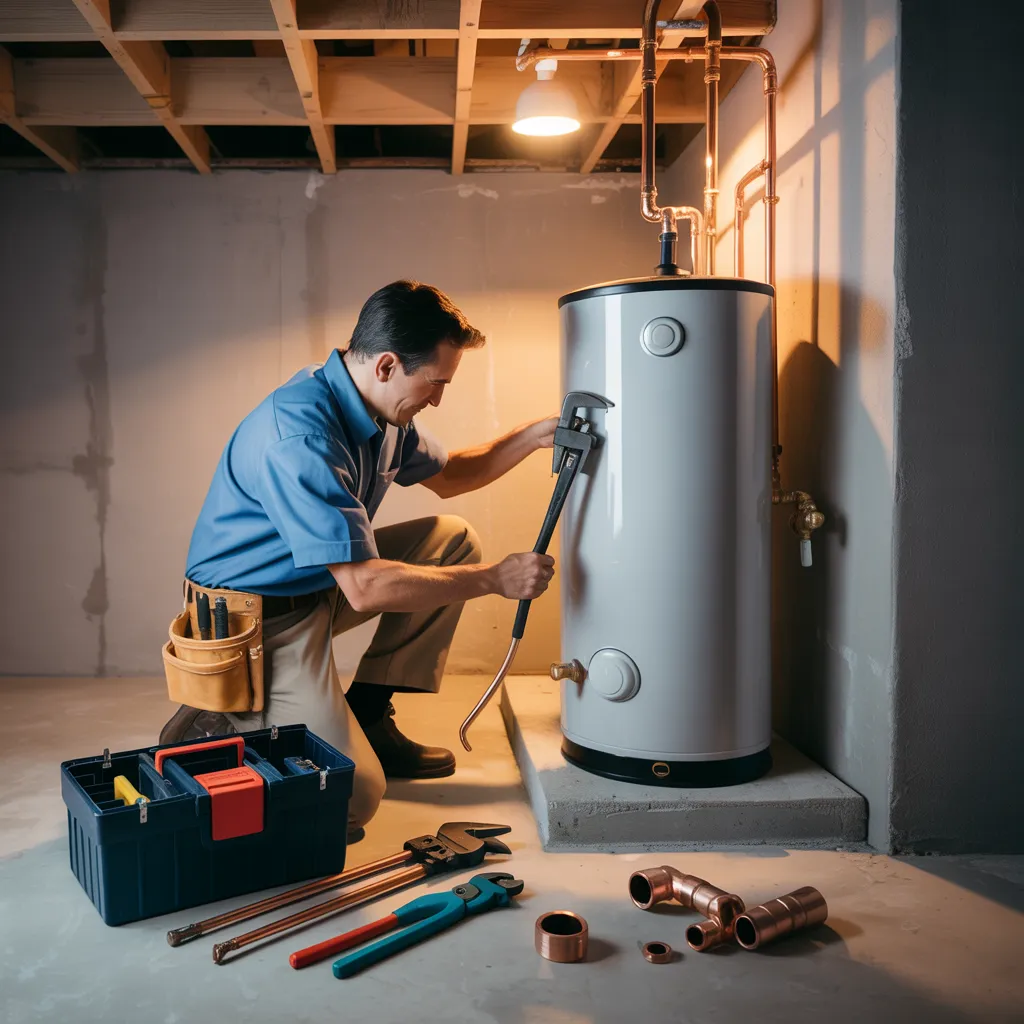
Standard Pipe Problems You Should Be Cognizant About
Many property owners face a range of plumbing problems that can disrupt daily life. Frequent issues include leaky faucets, which not only waste water but also lead to higher utility bills. Blocked drains are another common problem, often caused by the accumulation of grease, hair, or foreign objects. These clogs can result in slow drainage or even overflow. Additionally, continuously running toilets consume significant amounts of water, often due to faulty flappers or fill valves. Pipe leaks can occur in both visible and hidden locations, potentially causing extensive water damage if ignored. Water heater issues, such as inconsistent temperatures or leaks, can impact comfort and convenience. Finally, low water pressure may indicate a problem with the plumbing system, affecting the overall functionality of fixtures throughout the home. Awareness of these common plumbing issues can help homeowners take proactive steps to maintain their systems effectively.
Vital Credentials to Identify in Your Plumbing Professional
What essential qualifications should property owners think about when hiring a plumber? First and foremost, adequate licensing is essential. A licensed plumber has met local regulations and demonstrates a level of expertise and professionalism. Homeowners should also look for plumbers who carry sufficient insurance, including worker's compensation and liability coverage, to protect against potential damages or injuries during the job.
Additionally, certification from well-known trade associations can show a plumber's see the details dedication to continuous professional development and adherence to industry standards. Homeowners should choose those with focused expertise in distinct plumbing areas, such as residential or commercial plumbing.
Furthermore, a robust knowledge of local building codes and regulations is important to assure compliance during repairs or installations. In conclusion, strong communication skills are fundamental, permitting the plumber to describe issues and solutions efficiently, creating trust and understanding between the homeowner and the service provider.
Examining a Plumber's Track Record and Reputation
In evaluating a plumber's reputation and experience, the number of years in operation serves as a crucial indicator of expertise and reliability. In addition, industry certifications can demonstrate a plumber's commitment to professional standards and ongoing education. Combined, these elements deliver important understanding into the standard of work one can count on.
Years Active in Business
A plumber's tenure in the field can greatly affect their expertise and standing within the community. Experienced plumbers often have a history of work that reflects their capacity to manage various plumbing issues effectively. Extended time in the profession typically suggests a commitment to quality service, as these experts have overcome obstacles and built relationships over time. Homeowners should consider how long a plumber has been operating, as this can reveal insights into their reliability and customer satisfaction. Reviews and testimonials from past clients can further shed light on the plumber's standing in the community. In the end, selecting an experienced plumber can provide peace of mind, ensuring that the job will be completed efficiently and professionally.
Credentials in the Industry Retained
In what ways can professional qualifications increase a plumber’s reliability? Certifications act as proof of a plumber’s knowledge and skills, highlighting their commitment to professionalism and upholding industry standards. Certified bodies like the Plumbing-Heating-Cooling Contractors Association (PHCC) and the National Institute for Certification in Engineering Technologies (NICET) provide credentials that illustrate a plumber’s expertise in particular areas such as installation and repair methods. These certifications often require ongoing education, making sure plumbers are kept up-to-date with the latest technologies and regulations. A plumber with such certifications is typically more reliable, building confidence among homeowners. Therefore, when hiring a plumber, checking their certifications can offer valuable insight into their qualifications and standing in the industry.
Why It's Essential to Request Multiple Quotes From Plumbers
Collecting multiple quotes from plumbers is essential for making a well-researched choice, as it allows homeowners to compare costs, offerings, and qualifications. By collecting quotes from different contractors, homeowners can determine the average cost for particular plumbing work, preventing them from overpaying. Each plumber may provide different service packages, including guarantees, maintenance visits, or urgent assistance, which can greatly impact customer contentment over time.
In addition, requesting multiple quotes allows homeowners to review the qualifications and skills of each plumber. A diversity of opinions can reveal the quality of service quality and customer service, allowing for a in-depth evaluation. Moreover, this process promotes competition among plumbers, often leading to better pricing or extra services. Ultimately, dedicating time to gather multiple quotes provides homeowners with the essential information to choose a competent plumber who meets their needs and budget effectively.
Critical Points to Inquire When Bringing On a Plumber?
When evaluating prospective plumbers, knowing which inquiries to make can significantly affect the selection process. A property owner should begin by asking regarding the plumber's insurance and licensing status, confirming they comply with local regulations and are safeguarded from liabilities. It's also essential to ask about their experience with particular plumbing problems, such as pipe repairs or fixture installations, to determine their expertise.
Homeowners should gather references from previous clients to assess the plumber's accountability and quality of work. Furthermore, asking into warranty coverage on repairs and new installations can create confidence about emergencies down the road. Understanding the pricing structure is critical; homeowners should determine whether the estimate contains labor, materials, and potential additional costs. Finally, checking on response times for emergency calls can help determine if the plumber will be ready when most needed, ensuring a reliable partnership for all future plumbing services.
Common indicators in Plumbing Services
When selecting a plumber, particular warning signs can demonstrate possible quality concerns with work quality. Unclear pricing models can produce unforeseen costs, while an absence of correct licensing creates concern about professionalism and reliability. Spotting these red flags is important for choosing the right professional.
Opaque Pricing Schemes
How can property owners handle the unclear terrain of plumbing pricing? Vague pricing models can be a major warning sign when choosing a plumber. Many service providers neglect to provide clear pricing quotes, resulting in unexpected costs and dissatisfaction. Homeowners should be cautious about unclear estimates that miss comprehensive itemizations of work, supplies, and extra charges. A reliable plumber will deliver a clear, itemized estimate before starting the job, guaranteeing that property owners know what they are spending on. Additionally, surprise fees often emerge during or after the service, underscoring the importance of confirming payment terms upfront. By prioritizing transparency and clarity in pricing, homeowners can prevent unwelcome shock costs and foster a more trustworthy relationship with their selected plumber.
Missing Licensing
Significant risks can arise for homeowners in need of plumbing services when there is a lack of adequate licensing. Licensed plumbers are required to meet specific training and regulatory guidelines, ensuring they have the necessary skills and knowledge. When proof of licensing is not available from a plumber, it may suggest inadequate training or disregard for industry standards. This failure to comply can result in deficient work, leading to expensive repairs or safety hazards. Homeowners need to be mindful of any plumbing service that does not immediately offer licensing details. Verifying credentials through local licensing boards can help avoid potential issues. Ultimately, choosing a licensed professional improves the likelihood of quality workmanship and peace of mind for homeowners.
Building a Positive Relationship With Your Plumber
Cultivating a solid rapport with a plumber can greatly enhance the quality of care yielded. Effective correspondence is imperative; homeowners should state their reservations lucidly and ask clarifications when necessary. This promotes a framework of assurance, facilitating the plumber to recognize the specific desires of the home.
Furthermore, handling the plumber with courtesy and expertise can lead to improved results. Basic courtesies, such as providing drinks during long jobs, can create goodwill. Homeowners should also be conscious of scheduling and grant entry to job sites, which can enable more efficient work.
Also, ongoing maintenance contracts can strengthen the working relationship, ensuring the plumber is acquainted with the home's plumbing system. Finally, giving feedback, whether critical or favorable, helps plumbers perfecting their services and nurtures a cooperative dynamic. Sustaining open lines of communication ultimately advantages both parties, producing trustworthy, quality plumbing services.
Common Questions Posed
What Signs Show if My Plumbing Problem Is an Urgent Crisis?
Plumbing issues are classified as urgent matters when they feature uncontrollable leaks, sewage backups, or major water destruction. Immediate attention is essential to prevent further complications and guarantee safety and functionality within the residence.
What steps must I complete before the plumbing professional shows up?
Before the plumber arrives, the homeowner should remove obstacles around the plumbing issue, collect details about the problem, and turn off the water supply if necessary to avoid additional harm and facilitate repairs.
Do Pipe Coverage and Protections Matter?
Plumbing warranties or guarantees are critical as they supply peace of mind of quality workmanship and materials. They shield homeowners from surprise charges, confirming that repairs or replacements are covered if issues occur after the job concludes.
Is It feasible for Me to handle simple Plumbing issues Myself?
Yes, modest plumbing tasks can often be performed by dwelling owners. Standard jobs like fixing leaks or unclogging drains necessitate basic implements and a little assistance. However, caution is advised to avoid inflicting additional harm.
How Regularly Do I Need to Arrange Plumbing Maintenance?
Plumbing upkeep should preferably be arranged annually. Routine checks can detect possible problems early, guaranteeing systems function efficiently and minimizing the chance of costly repairs. Homeowners benefit from proactive upkeep to lengthen the life span of plumbing systems.
Comments on “Complete Guide to choosing the right plumbing service provider”